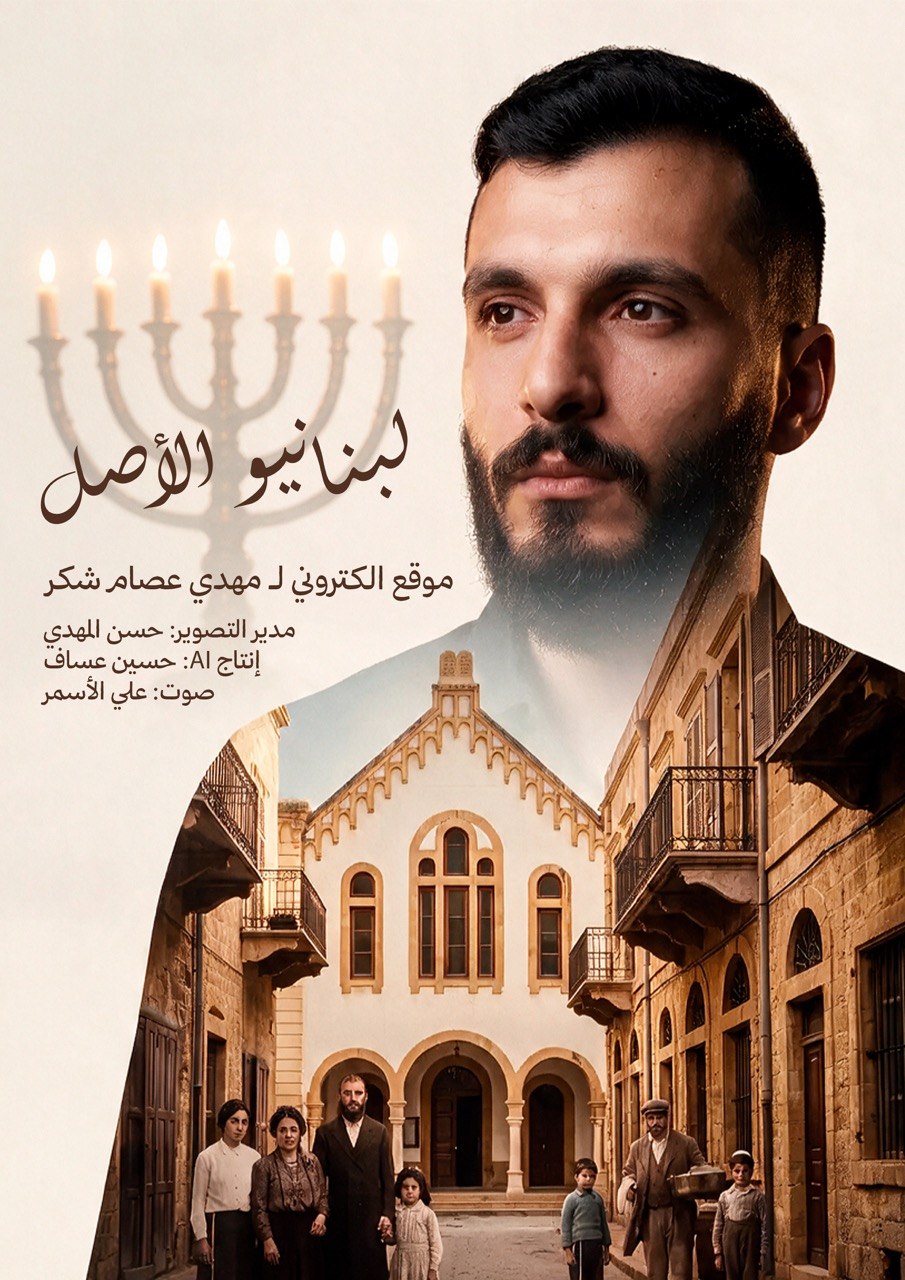
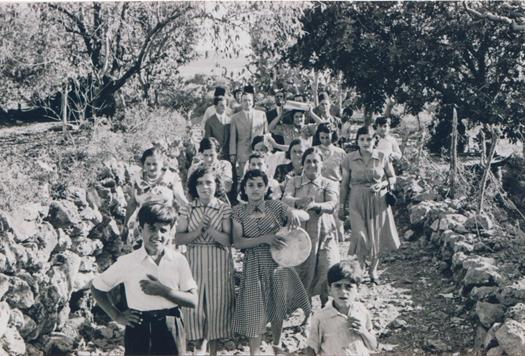
Who were the Jews in Lebanon?
How did they live within a
multi-sectarian and multi-religious society?
And why did their presence fade so
quickly, leaving behind only a spatial memory in Beirut's neighborhoods and
coastal cities?
To answer these questions, we must return to the roots, through
religious and historical narratives that shaped their identity, all the way to
Lebanon's particular reality, drawing on academic testimonies that reflect
different angles of this complex and sensitive issue.
The presence of Jews in Lebanon represents a unique model of
sectarian coexistence in the Middle East, but it is also a witness to the
fragility of this coexistence when external political factors interfere with
internal reality. The story of Lebanese Jews is not a story of conflict or
animosity; it is a story of gradual integration followed by rapid
disintegration, a story of deep-rooted history followed by collective
uprooting, a story of ordinary daily life that ended in migration and turmoil.
Perhaps the lessons learned from this unique experience are
greater than the size of the community itself, as it raises questions about the
nature of citizenship in a pluralistic society, about the limits of belonging
when political equations change, and about the ability of local history to
withstand regional pressures. These are scars invisible to the eye, yet they
continue to affect the Lebanese mosaic that today seeks its identity amid
successive crises.