
BEIRUT / 2026
BEIRUT / 2026
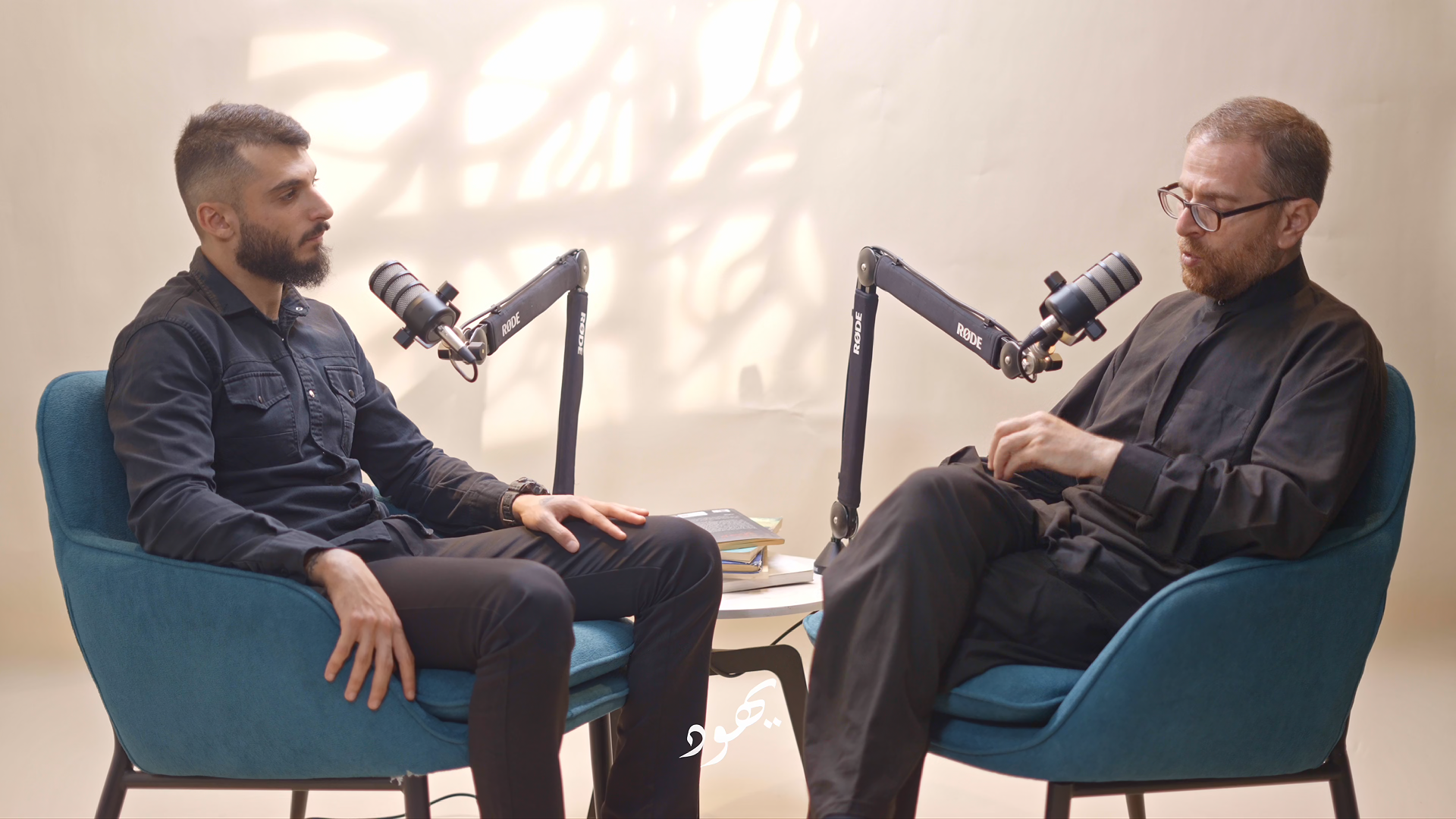
In this interview, Dr. Sheikh Tariq Idris takes us on an
in-depth historical journey to understand the roots of the Jewish community,
moving beyond treating it as an isolated Lebanese case. He discusses the major
milestones that shaped the identity of this community, starting from the
Assyrian and Babylonian captivities, through the great diaspora period after
the destruction of the Temple in 70 CE, to how belonging transformed into a
"mobile memory." He also highlights the nature of Jewish religious
practice as a "complete way of life" with detailed rituals, and
explores a lesser-known dimension: Jewish mysticism, or Kabbalah. He explains
how the Jews carried this complex religious and cultural system with them
wherever they went, all the way to Lebanon. #LebaneseHistory #JewsInLebanon #SectarianCoexistence
#WadiAbuJamil #LebaneseHeritage #BeirutHistory #OttomanEmpire #Lebanon
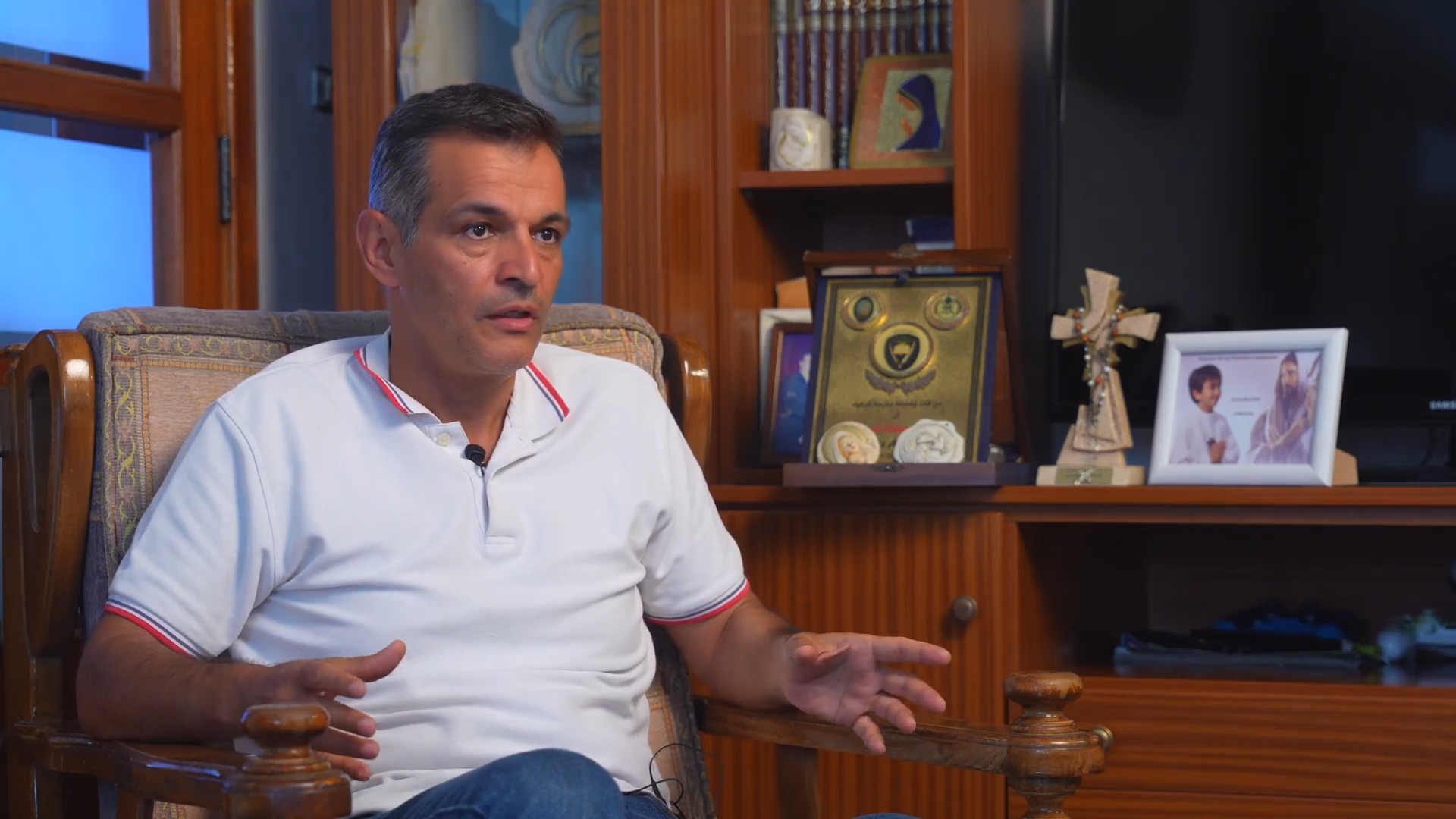
Dr Marwan Abi Fadel
In this interview, Dr. Marwan Abi Fadel paints a different picture of the relationship between Jews and other sects in Lebanon, moving away from the idea of conflict. He reviews how the Ottoman "millet" system provided a legal framework for pluralism that prevented religious differences from turning into clashes. He explains that the relationship was essentially "functional," based on daily economic interests in cities, especially in Beirut, Sidon, and Tripoli. However, he stops at the major turning point after 1948 and 1967, when suspicion began to govern the relationship, and the civil war ultimately erased this presence for good. #LebaneseHistory #JewsInLebanon #SectarianCoexistence #WadiAbuJamil #LebaneseHeritage #BeirutHistory #OttomanEmpire #Lebanon
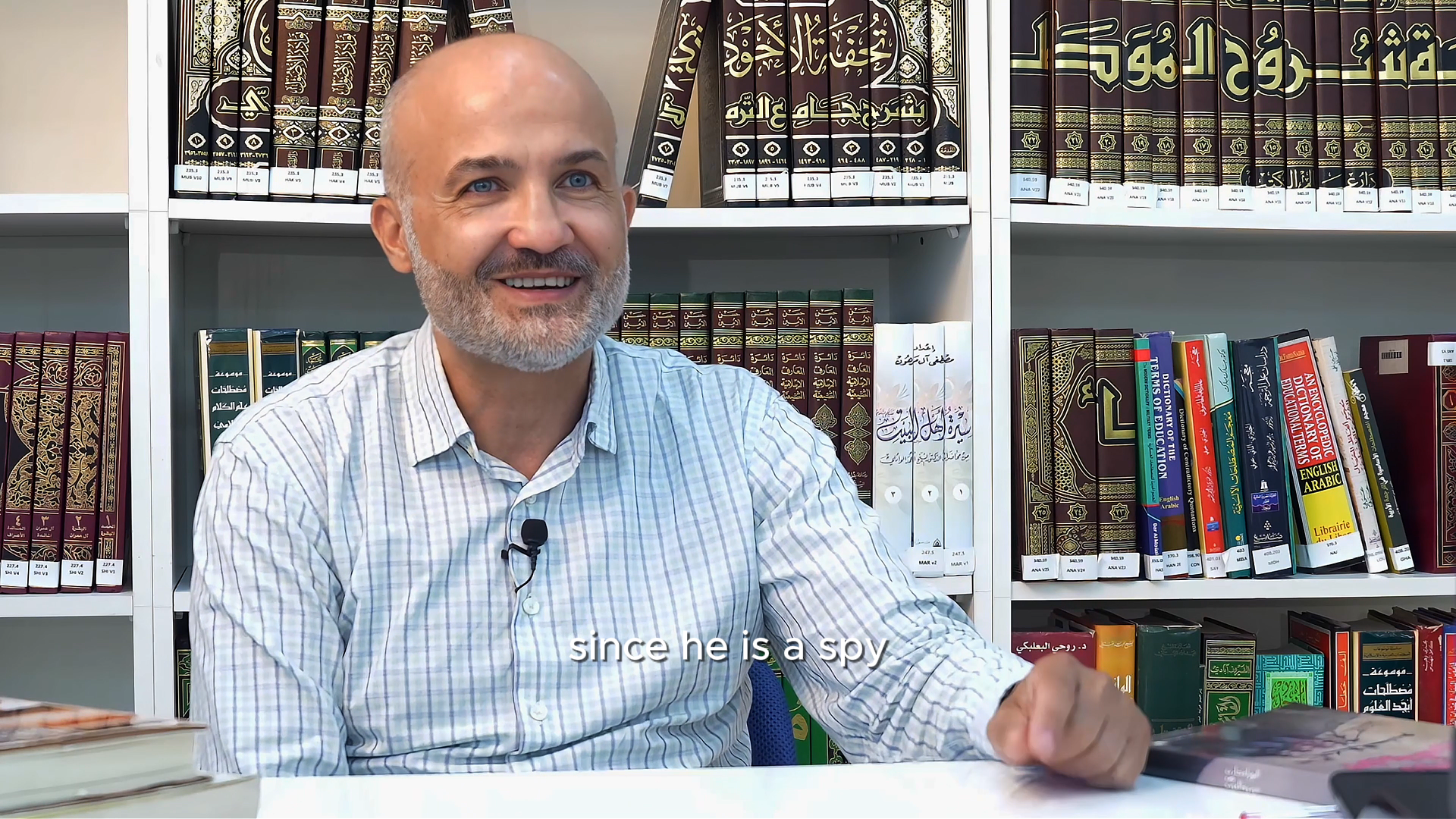
Dr. Mohammad Awada
Professor of Modern and Contemporary History
In this interview, Dr. Mohamed Awada offers a geographical and economic reading of the Jewish migration within Lebanon. He recounts how their presence began in mountainous areas like Deir al-Qamar since the 17th century, but the transformations of the 19th century (the 1860 events and the opening of the Suez Canal) shifted the economic center of gravity toward the coast. The Jews gradually moved to Beirut, specifically to the Wadi Abu Jamil neighborhood, which became the center of their lives. He describes how the neighborhood was vibrant and economically and socially diverse, before emigration began to escalate with the rise of the Zionist project and wars, turning into a collective wave that closed homes and emptied shops, leaving the neighborhood a silent witness to a faded history. #LebaneseHistory #JewsInLebanon #SectarianCoexistence #WadiAbuJamil #LebaneseHeritage #BeirutHistory #OttomanEmpire #Lebanon
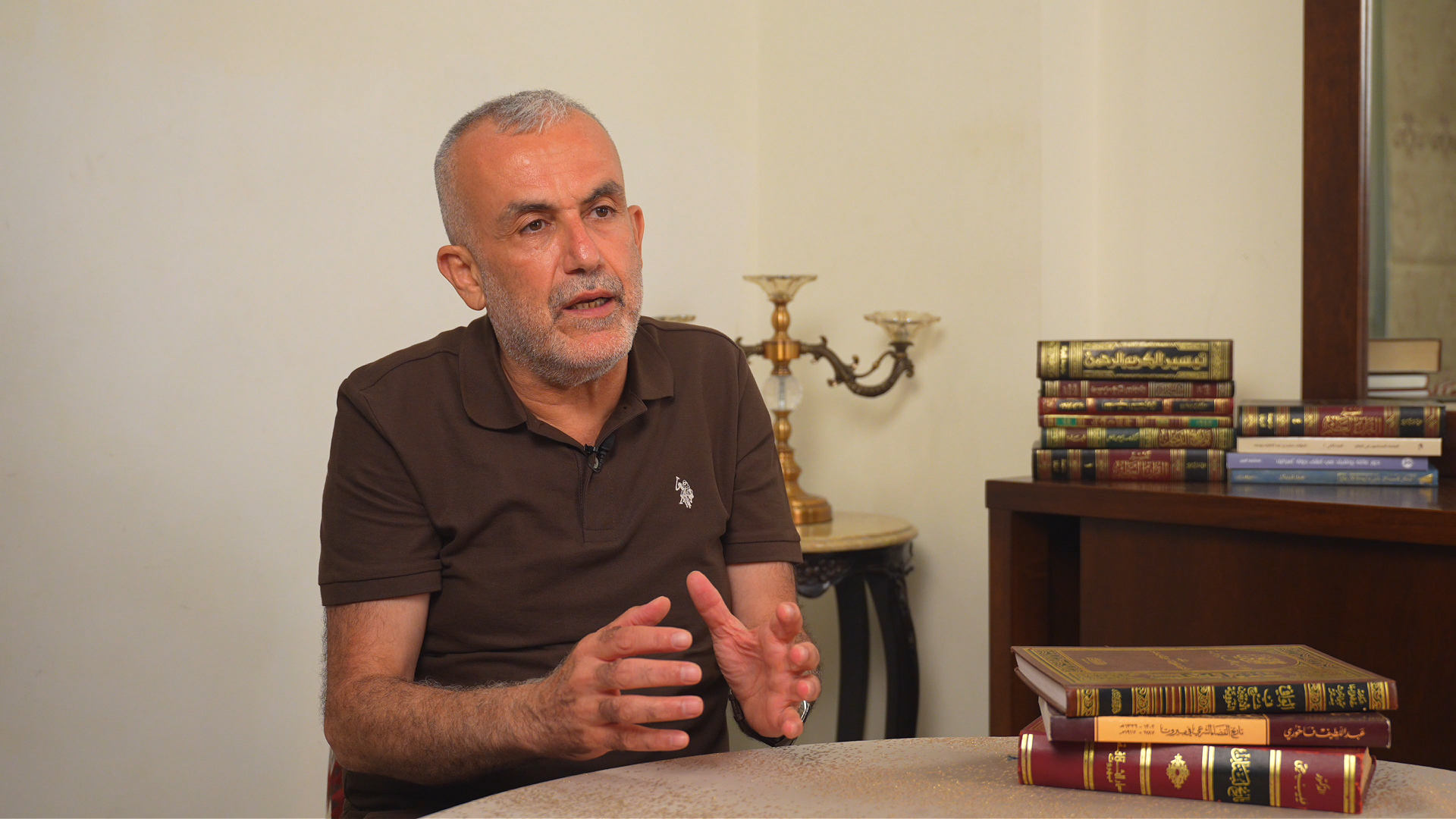
Dr Salim Mansour
Professor of Modern and Contemporary History
In this intimate interview, Dr. Salim Mansour takes us into the heart of the daily life of Lebanese Jews, away from politics. He reviews the details of coexistence documented in Sharia court records: from Muslims, Christians, and Jews living in the same buildings, to Jews refraining from eating in public during Ramadan out of respect for fasting Muslims, and exchanging holiday greetings. He describes how Jews were active members of society, working in trade, medicine, crafts, and even overseeing matters such as ritual slaughter and medical practice. They established their own schools and participated in educational life. However, he confirms that this natural reality did not last long in the face of major political transformations that made their presence a political issue rather than a social one. #LebaneseHistory #JewsInLebanon #SectarianCoexistence #WadiAbuJamil #LebaneseHeritage #BeirutHistory #OttomanEmpire #Lebanon
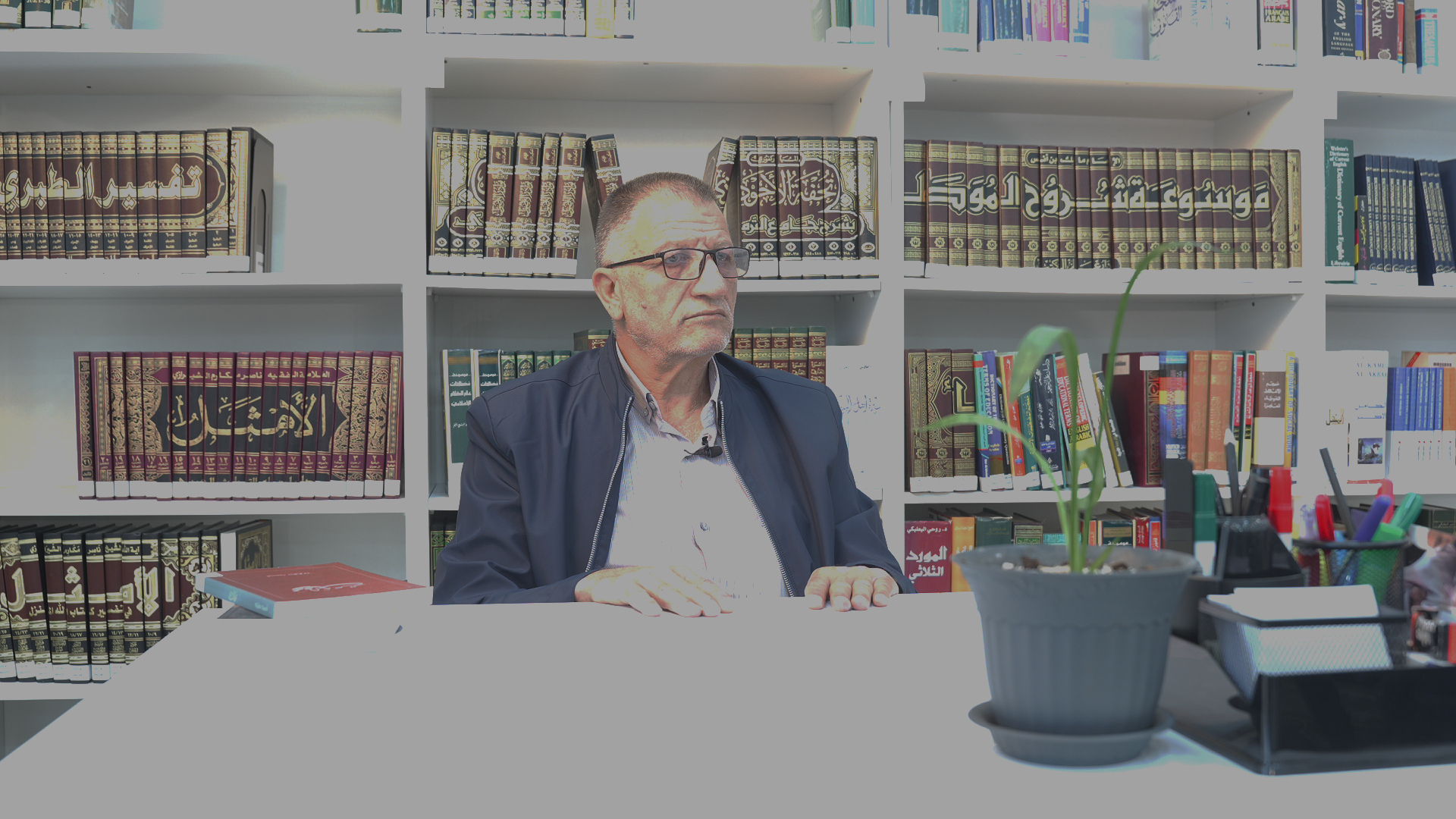
University Professor and Researcher in Historical and Intellectual Issues
In this interview, Dr. Hussein Obeid presents a fundamental key to understanding the issue of Jews in the region: the clear distinction between three often intertwined layers – "the Children of Israel" as a people, "Judaism" as a religion, and "Zionism" as a modern political project. He discusses how religious heritage was employed to serve political goals, and analyzes the concept of "settler colonialism" that distinguishes the Zionist project. He explains how this systematic entanglement reflected on societies like Lebanon, where the image of "the Jew" shifted from a citizen within a sectarian pluralism to a symbol of an external project, placing the local Jewish community in a difficult position. #LebaneseHistory #JewsInLebanon #SectarianCoexistence #WadiAbuJamil #LebaneseHeritage #BeirutHistory #OttomanEmpire #Lebanon
Dr. Talib Qara Ahmad
Researcher in the History and Heritage of Sidon

In this interview, Dr. Talib Qara Ahmad sheds light on the deep human and religious aspects of the lives of Lebanese Jews. He discusses their economic practices, such as lending, which was part of their reality but with more flexible rules within the community. He provides detailed insight into death rituals from washing and shrouding, to the speed of burial and orienting the body toward Jerusalem explaining the symbolic meanings behind each small detail. He mentions that their cemeteries in cities like Sidon still bear witness to this presence, with graves carrying the names of families that were once part of this land, and some of their emigrant descendants still visit, holding onto the memory of their ancestors in Lebanon. #LebaneseHistory #JewsInLebanon #SectarianCoexistence #WadiAbuJamil #LebaneseHeritage #BeirutHistory #OttomanEmpire #Lebanon